
PIPPAL – Case Study
Brand: PIPPAL
Type: Indian Restaurant
Focus: Local Market Growth & Demand Stabilization
Key Results:
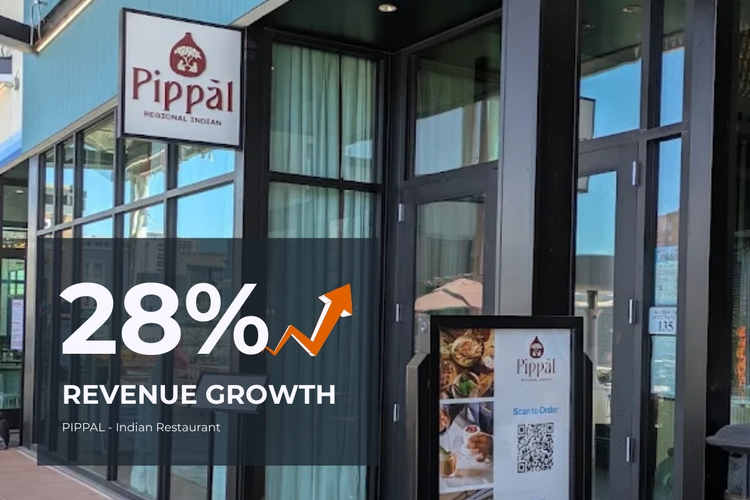
- Weekday Occupancy: 48–55% → 68–82%
- Repeat Guest Growth: +12–22%
- Revenue Stability: Significantly Improved
Context
PIPPAL operates across multiple locations in competitive micro-markets, where demand patterns vary significantly by geography and day of the week.
While the brand had strong potential, performance across outlets was inconsistent, especially during weekdays. This created fluctuations in revenue and limited the ability to scale predictably.
Core Challenges
- Uneven performance across different locations
- Low weekday occupancy impacting overall revenue
- Demand generation strategies not repeatable across markets
- Lack of structured system to stabilize performance
Strategic Approach
- To address these challenges, a structured growth system was implemented across locations:
- Built geo-specific growth frameworks tailored to each outlet
- Developed local SEO-driven discovery systems
- Designed weekday-focused demand campaigns
- Created a scalable event-based revenue model
- The focus was on building a repeatable system that could drive consistent demand across markets.
Results
Before
- Weekday Occupancy: 48–55%
- Revenue Volatility: High
- Repeat Guest Ratio: Inconsistent
After
- Weekday Occupancy: 68–82%
- Repeat Guest Growth: +12–22%
- Revenue Stability: Improved across locations
Commercial Impact
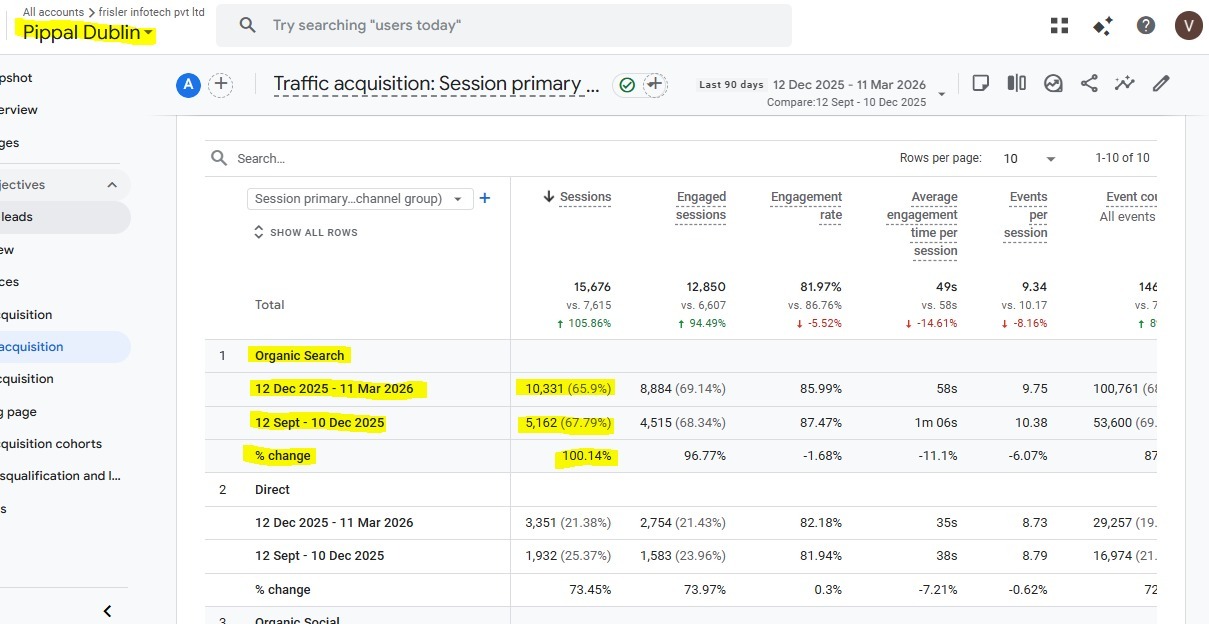
By stabilizing weekday demand and improving customer acquisition systems, PIPPAL was able to create more predictable revenue across locations.
This reduced dependency on inconsistent demand cycles and enabled a more structured approach to scaling multi-location performance.
Key Takeaway
Multi-location hospitality growth requires localized demand systems, not generic marketing strategies.
When each outlet operates with a tailored growth framework, overall business performance becomes more stable and scalable.
Explore how a structured growth strategy can improve your hospitality revenue.