Vivek Bhargava is a restaurant and hotel marketing consultant for independent operators and multi-location groups in the United States. He runs each engagement himself, covering restaurant SEO, Google Ads, Meta Ads and the path from a guest's first search to a reserved table.
A thirty-minute call to work out whether marketing is your constraint.
Vivek has built and run restaurants as well as marketed them, so the plan is scoped to the covers your operation can actually deliver.
Vivek runs the audit, writes the roadmap and does the work himself. No account manager sits between your brief and what gets built.
Reports show reservations, phone calls and direction requests from your Google Business Profile, next to your search positions.
Restaurant marketing with Vivek Bhargava covers how guests find your restaurant and the route from that first search to a reserved table, a delivery order and a return visit. He delivers it through three services: restaurant SEO for local search and maps, Google Ads for people deciding where to eat now, and Meta Ads for openings and events.
Local search, your Google Business Profile, menu pages and the route from a search to a reserved table.
Paid search aimed at people deciding where to eat now, pointed at a menu or a booking page that works.
Paid social media on Facebook and Instagram, for an opening, an event, a new menu or a shift that runs quiet.
Photography in the hero and service sections is illustrative. It does not show client premises, staff or guests.
Restaurant discovery now runs through AI assistants and review platforms as well as through a restaurant's own website. Four findings from BrightLocal's Local Consumer Review Survey 2026 and Uberall's May 2026 GEO benchmark show the shift. Each one moves demand onto platforms the restaurant does not own.
Up from 6% the year before. The fastest change in local discovery in a decade, and it happened in twelve months.
BrightLocal, Local Consumer Review Survey 2026Measured across multi-location quick-service brands, so read it as the direction of travel rather than as your own number.
Uberall GEO benchmark, May 202641% say they always do, up from 29%. And 31% will only consider a business rated 4.5 or higher.
BrightLocal, Local Consumer Review Survey 202632% look no further back than two weeks. A strong rating earned last year carries less weight than a quiet month does now.
BrightLocal, Local Consumer Review Survey 2026PLATE is the restaurant marketing strategy Vivek Bhargava uses to put the work in order, in five stages: Presence, Local, Attraction, Tables and Encore. Each stage covers a group of channels, from aggregator listings and the Google Business Profile to paid campaigns, reservations and return visits by email and SMS.
Guests usually see your DoorDash, Uber Eats, Yelp and Zomato profiles before they reach your website, so those listings carry your first impression.
Google scores your map pack position separately for each area, so it matters most within the few streets your guests travel from.
Paid campaigns and social media content raise demand for a specific date, such as an opening, a ticketed event or a service that regularly runs quiet.
This covers your reservation system, your review profile and the booking links on every listing, where interest becomes a confirmed table.
Email, SMS, loyalty and referral programmes that bring guests who have already visited back for another booking.
A second restaurant location opens with no reviews, no listing history and no map presence of its own, while the first site keeps trading. Marketing for both splits in two: holding the position the original site has built, and establishing the new site from nothing in a different area.
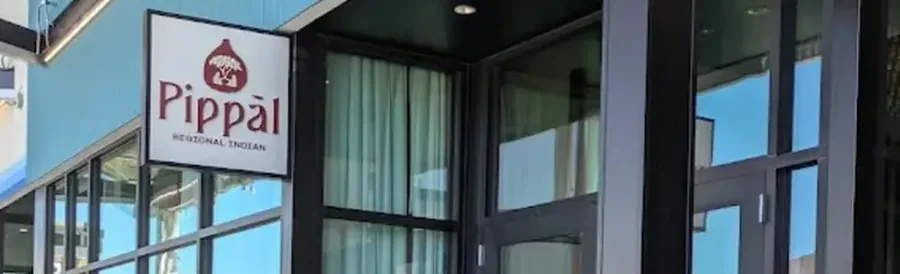
Two of the restaurants Vivek has worked with went from one site to two during the engagement. Pippal opened in Emeryville and then Dublin, and Fitoor did the same.
Vivek Bhargava also takes hotel engagements. A hotel marketing engagement covers hotel SEO, paid campaigns and the direct booking path as a single scope. That path runs from a guest's search to a room booked on the hotel's own website.
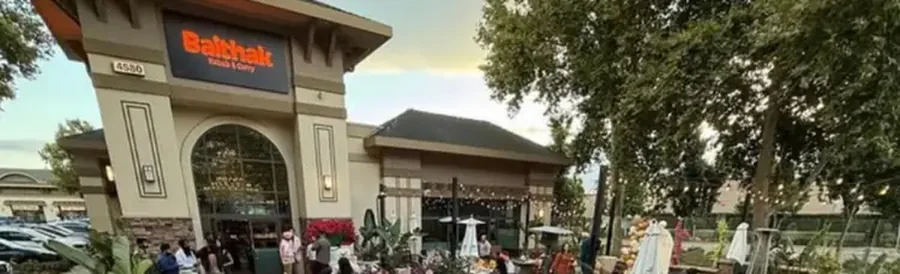
Vivek Bhargava has worked with Alora on the Embarcadero in San Francisco, with Pippal across its Emeryville and Dublin sites, and with Baithak, also in Dublin, California. Pippal opened its second site during the engagement. Each photograph below shows the venue itself.
A consulting engagement with Vivek Bhargava runs in four stages: research, audit, plan and delivery. The first conversation is a thirty-minute strategy call, and you approve the written scope and the order of work before any of it begins. Delivery is reported against bookings, calls and direction requests.
Your market, the operators you compete with for the same tables, and the searches that bring guests to restaurants like yours.
Your Google Business Profile, aggregator listings, website, reviews and the full booking path, checked end to end.
A written scope with the order of work, what each stage is meant to improve, and what it will take to get there.
The work, run in the agreed order and reported against bookings, calls and direction requests.
Hospitality Marketing Consultant
Vivek Bhargava is a restaurant consultant who works on marketing: how guests find a restaurant, choose it and book a table. He has run restaurants as well as marketed them. That is why the work begins with what your kitchen and floor can actually serve. It is also why a plan that fills a Saturday you cannot plate gets rejected before it reaches you.
He works from India with owners and operators across the United States, on independent restaurants, multi-location groups and hotels. The engagement is run remotely and directly, with no agency team in between.
More about VivekListing and profile corrections can move within weeks, because they fix information that is already wrong. Review profiles and search positions move over months, since both depend on activity accumulating. Any plan that promises one timeline for all of it is describing a sales cycle rather than how search behaves.
Your website rarely wins the discovery moment on its own. It does decide whether the guest who already found you completes a booking, and it is where your menu, hours and booking link are read from by Google, the aggregators and AI assistants. Treat it as the record those systems cite rather than as the shopfront.
The profile is one asset. Local SEO is the work that decides where that profile ranks for each area you draw from, and includes your listings elsewhere, your review activity, your categories and the consistency of your details across platforms. Optimising the profile alone leaves most of the ranking factors untouched.
They answer in prose and name a handful of places, so there is no page two to be found on. What they draw from is your listings, your menu text and your reviews, which means AI visibility is mostly downstream of local work you should be doing regardless.
They solve different problems. Google reaches people already searching for somewhere to eat, so it suits a restaurant with demand it is failing to capture. Meta creates interest that did not exist yet, which suits an opening, an event or a service that runs consistently quiet. Starting with the wrong one is the most common waste in restaurant advertising.
Recency has become the harder constraint. Independent survey data shows most consumers read only reviews from the last three months, so a strong historic rating with a quiet recent period reads as a risk. That turns reputation into an operating rhythm rather than a project.
Work with a restaurant marketing consultant to attract local guests, increase reservations and bring those guests back, through local search, Google Ads and Meta Ads.